EPAM Systems · 2018-2026
- 2022
- American Express · Authorizations
- Senior Designer
AI-assisted design
I'm a designer who works in the code. AI does the reading and the grunt work so I spend my time on judgment: I design against real data, build directions as working prototypes, and ship my own UI to production.
Design systems
I build the system a product runs on, not just its screens: tokens, components, themes, and the documentation that lets a team, or an AI agent, use them without redrawing anything.
Wallarm
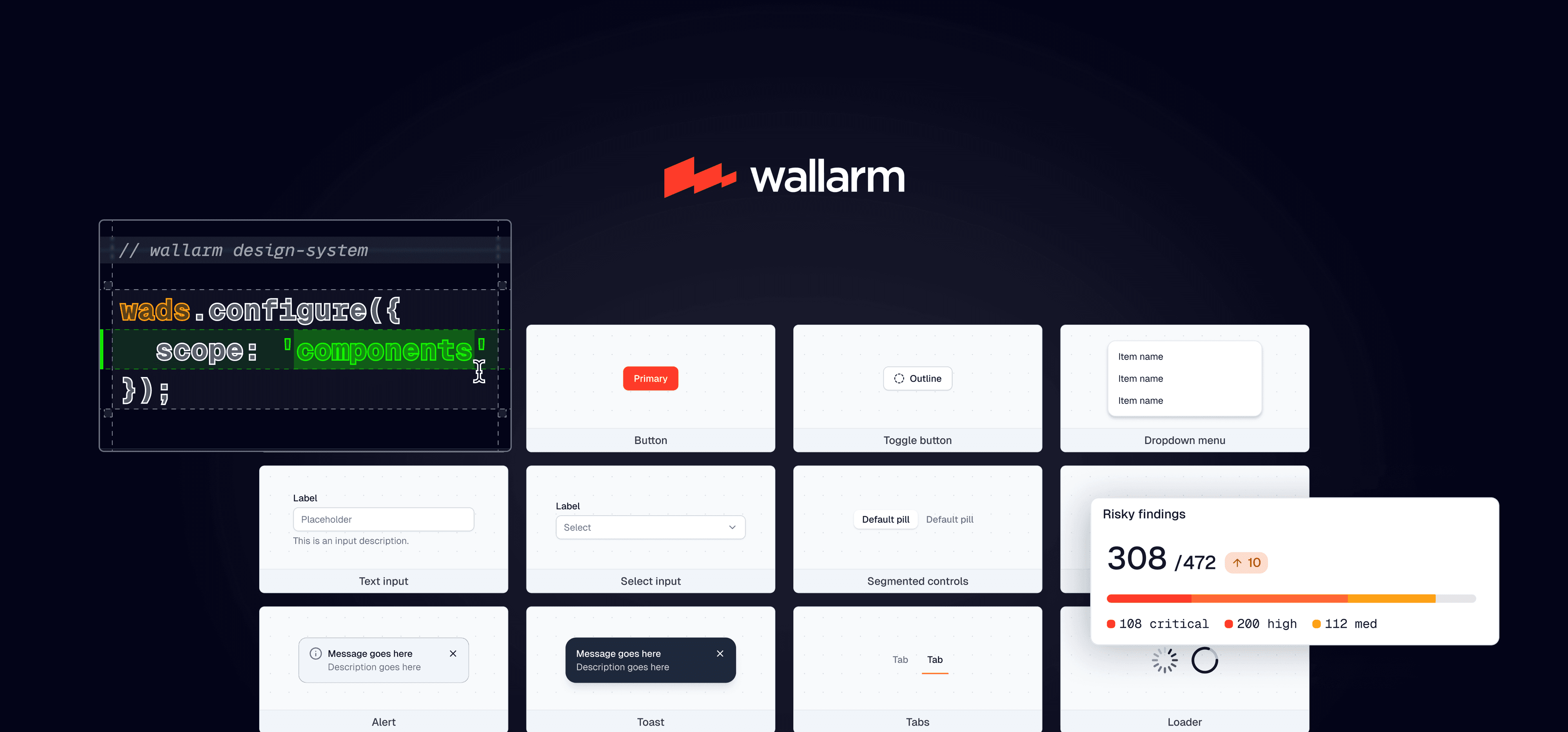
Building a design system machines can read
WallarmBuilding a design system machines can read
Co-designed a design system built to be machine-readable. Wrote the documentation, per-component specs, combinations, do's and don'ts, that lets AI agents build with it correctly.
Bausch + Lomb
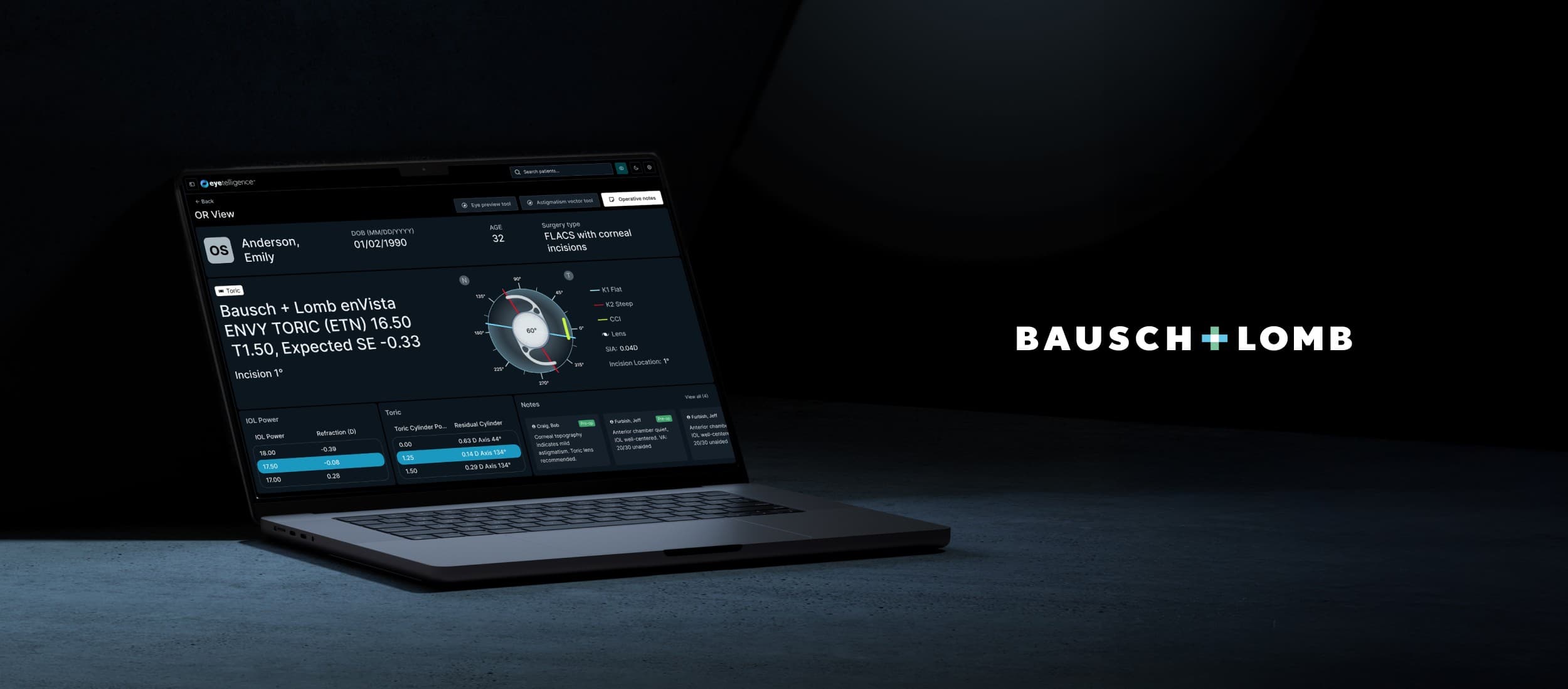
Customizing a component kit for surgical planning
Bausch + LombCustomizing a component kit for surgical planning
Customized a production component kit into a themed clinical system, light and dark. Designed the specialized components a surgical planning tool needs: astigmatism vector analysis, toric cylinder selection, diagnostic galleries. One designer produced a full product's worth of screens in ten weeks.
Keys Community
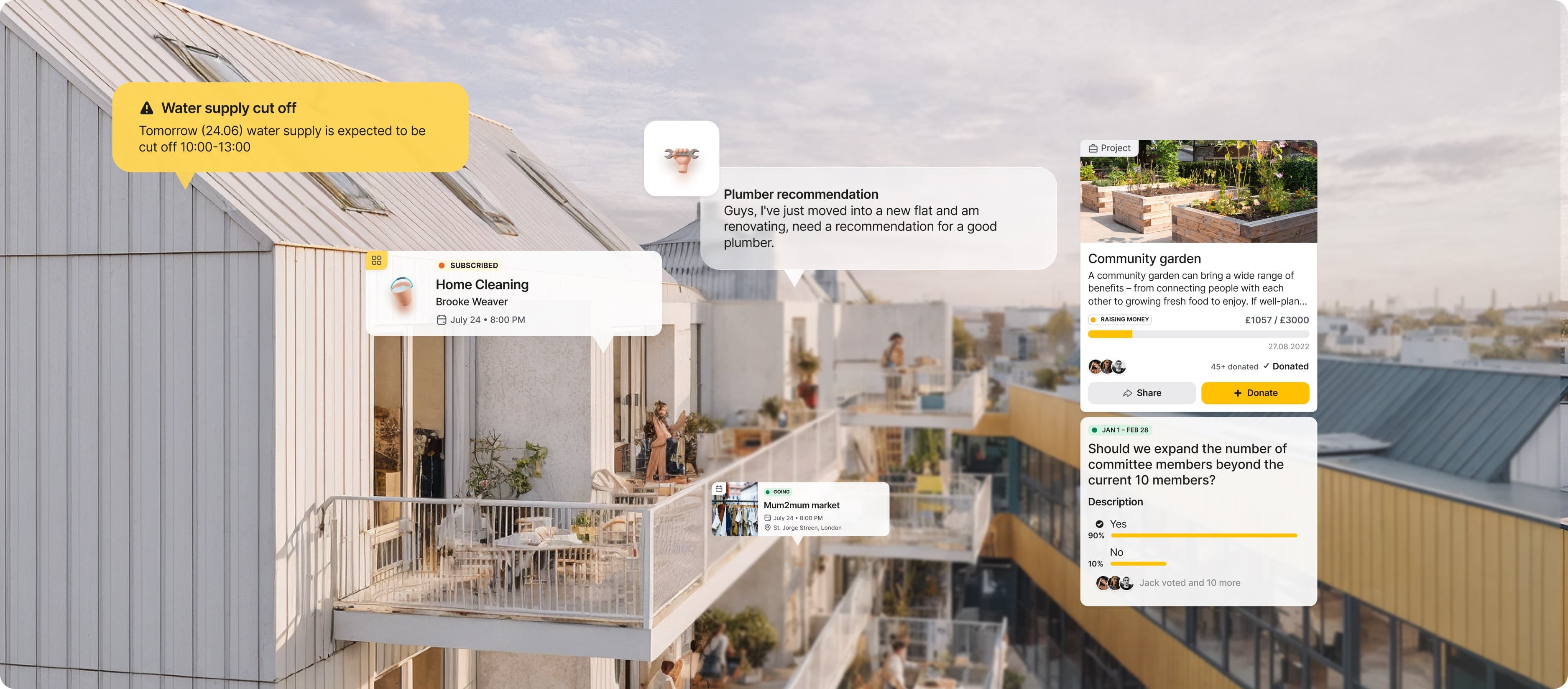
One system across mobile, desktop and an admin CRM
Keys CommunityOne system across mobile, desktop and an admin CRM
Built the design system two other designers worked from. Kept 160+ screens consistent across mobile, desktop, and an admin CRM.
User research
I sit in the interviews myself when I can, on site when the work is physical, and in the testing sessions rather than reading the summary afterwards. On the bigger studies there is a researcher on the team, and I put analytics next to the interviews so the findings hold up when someone pushes back. Most of what follows changed what the team ended up building.
Schneider Electric
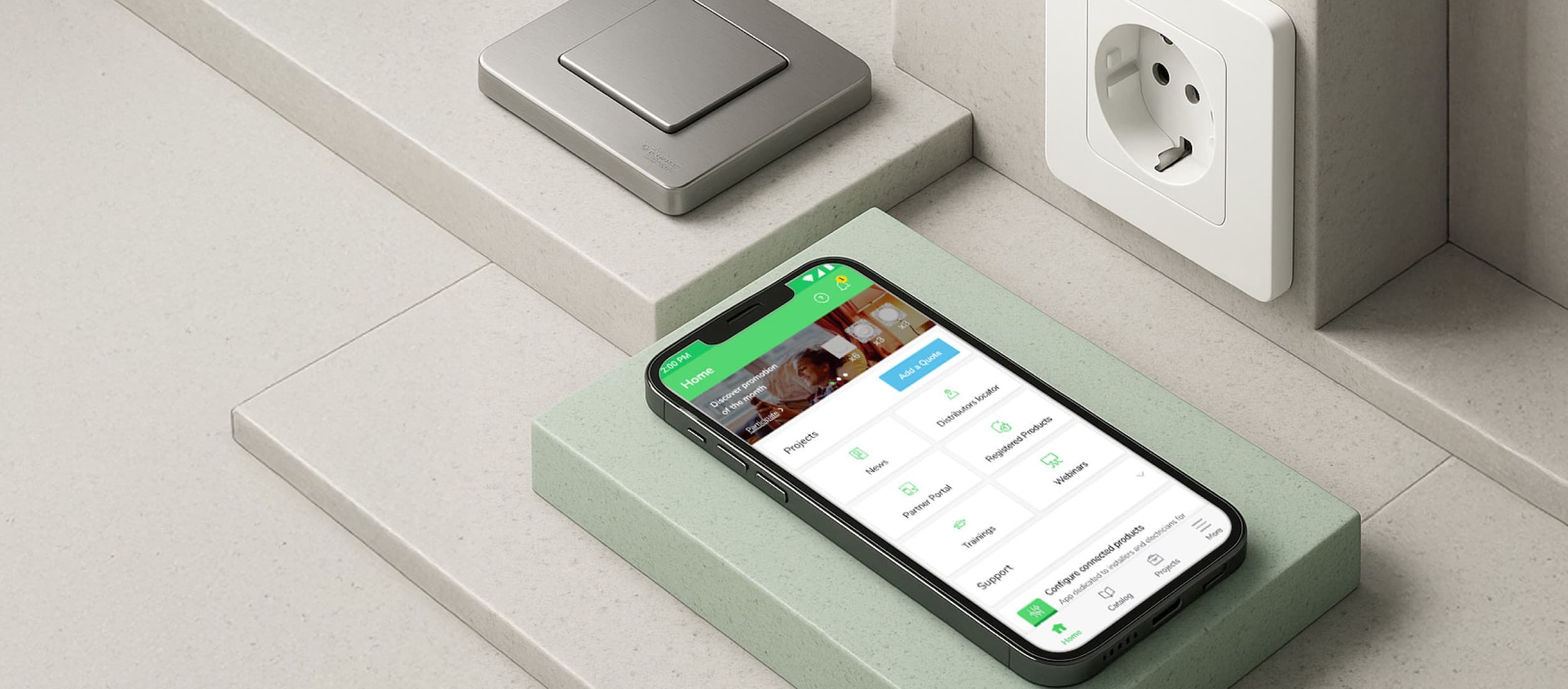
Supporting 41 field interviews in three countries
Schneider ElectricSupporting 41 field interviews in three countries
Two research rounds, 41 in-person interviews across Spain, France, and Russia, run by the two designers who joined after my early findings. I supported the rounds and brought in a data analyst so behavioral analytics sat next to the interview findings. Electricians work in small teams on several projects at once and value time above everything else, and that changed what the app needed to be.
Bausch + Lomb
Synthesizing 6 interviews and 10 usability sessions
Bausch + LombSynthesizing 6 interviews and 10 usability sessions
Synthesized an inherited research archive and the 6 user interviews we ran as a team, and went on site to watch surgeons and coordinators work. A heuristic pass explained the complaints: the interface mirrored the database, so people navigated records instead of their own day. The 10 scripted usability sessions we ran settled two open stakeholder arguments.
Keys Community
15 interviews across five community roles
Keys Community15 interviews across five community roles
15 interview participants across five community roles: residents, property managers, committee members, local businesses, service providers. Ran a competitive review of community and property management platforms alongside the interviews. Turned all of it into five personas the team designed against.
Sensirion
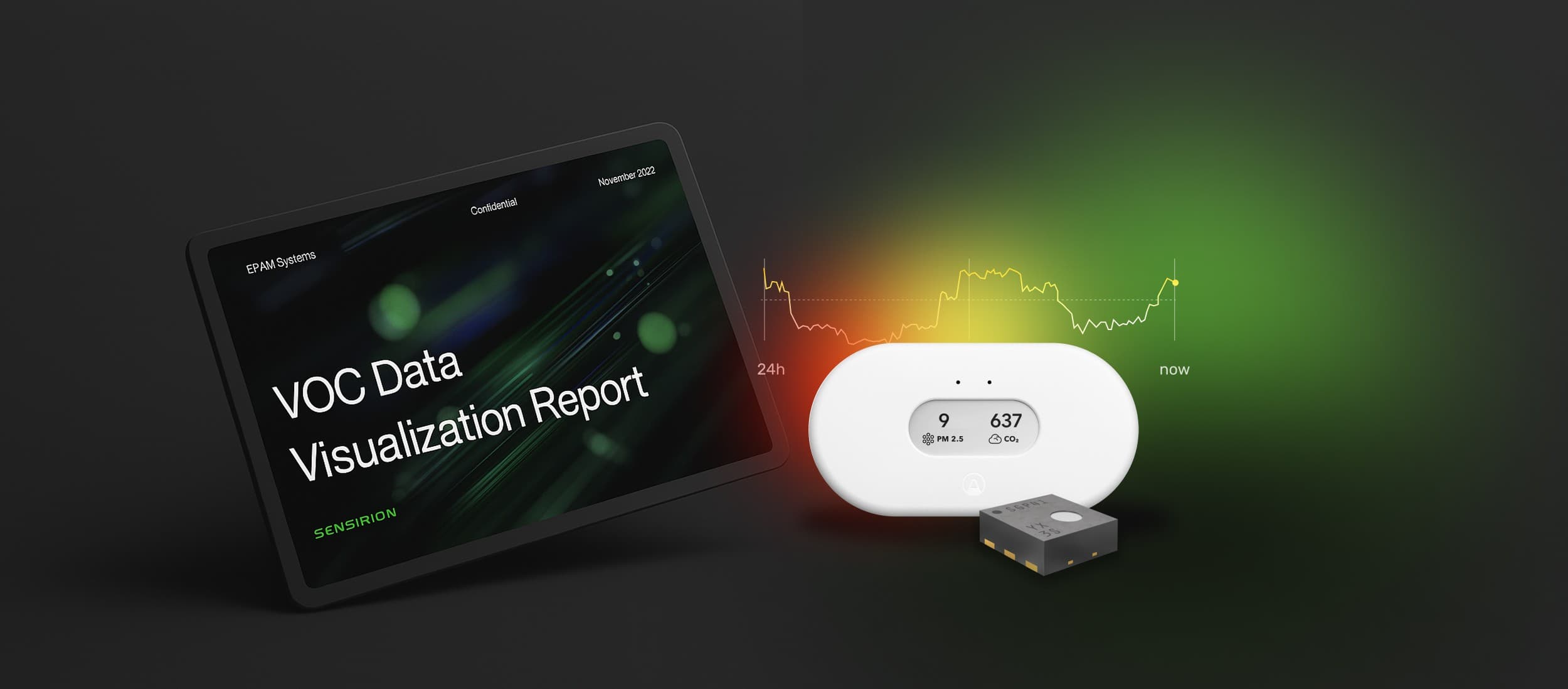
10 moderated sessions, 52 unmoderated respondents
Sensirion10 moderated sessions, 52 unmoderated respondents
Mapped how people actually think about air quality, starting from how little the word VOC means to most of them. Validated the concepts in two passes with our researcher: 10 moderated sessions, then 52 unmoderated respondents. Four personas and a device audit, because the same indicator had to work on a simple LED strip and on a full color display.
Thomson Reuters
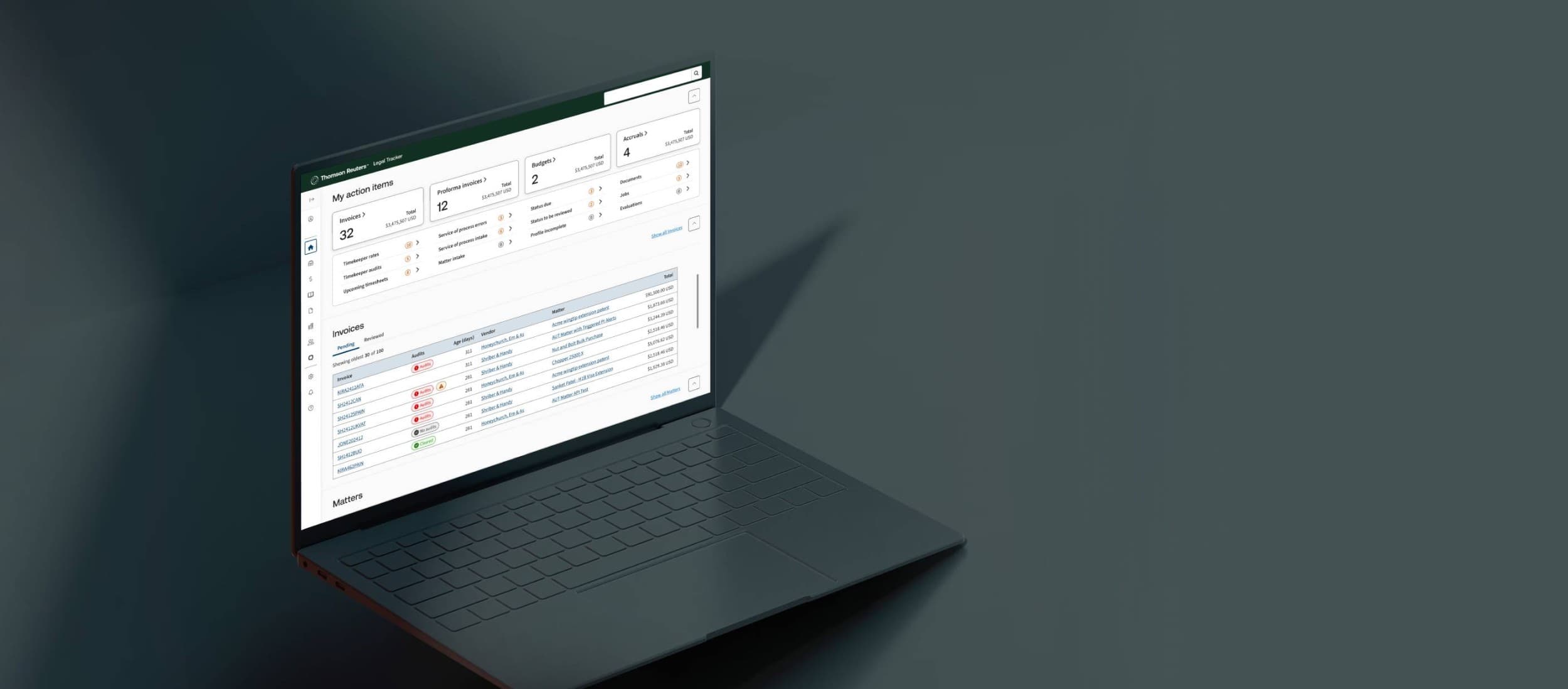
6 LegalOps interviews and 8 usability sessions
Thomson Reuters6 LegalOps interviews and 8 usability sessions
6 interviews with LegalOps professionals, run with our researcher, where participants worked through prototypes. 8 usability sessions on the report builder, the feature users avoided until they had to use it. The audit and the interviews pointed at the same two screens, and that became the scope of the redesign.
British Telecom
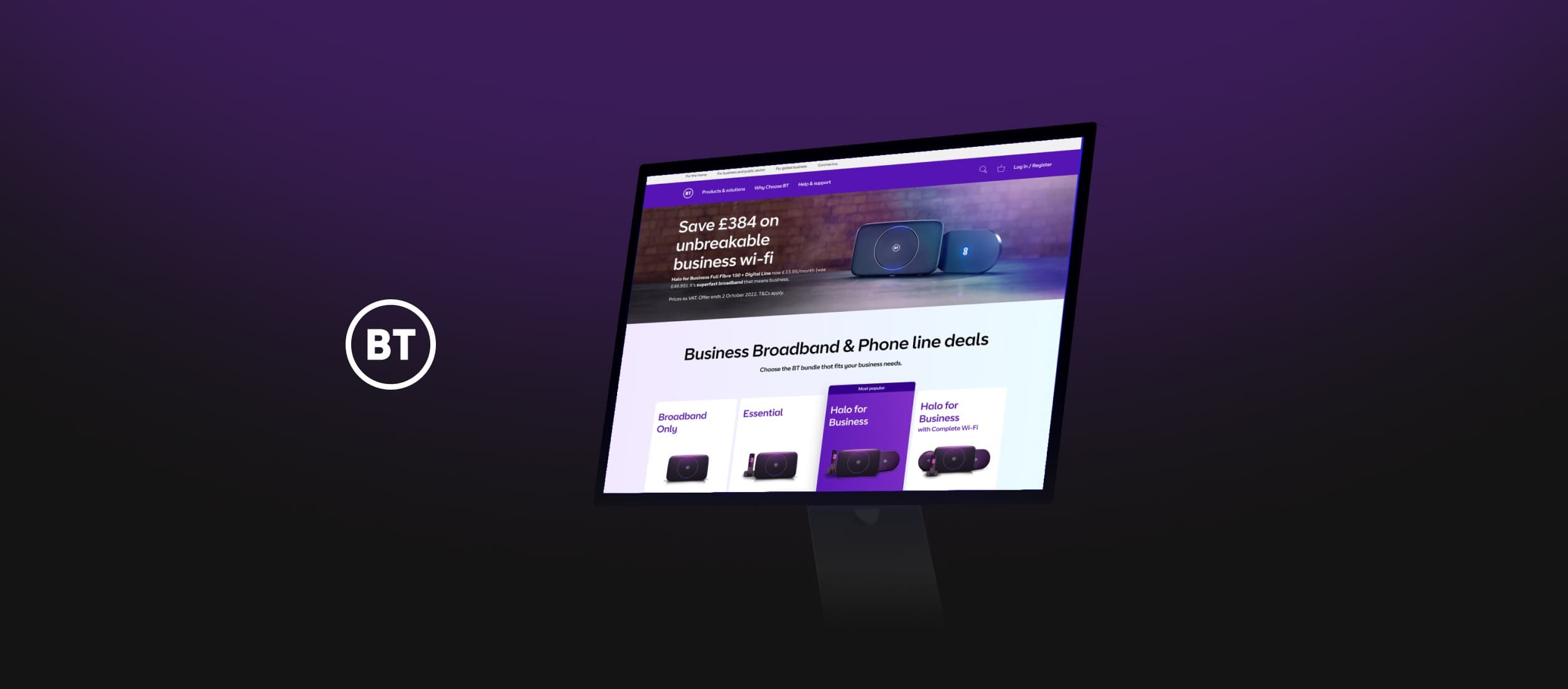
Interviews paired with call center data
British TelecomInterviews paired with call center data
In-depth user interviews paired with the call center data, to find where people actually got stuck. The journey from learning to purchasing was the problem, and the redesign closed it: conversion rose from 20% to 23%.
Facilitation
I run the rooms where decisions get made: user interviews, stakeholder workshops, and team prioritization sessions where every idea goes on the board and gets ranked by impact against effort.
Sensirion
Leading the brainstorms that reframed the brief
SensirionLeading the brainstorms that reframed the brief
Led the brainstorming and concept-ideation sessions. Reframed an ambiguous 'design an icon' request into a strategic visualization problem.
Schneider Electric
Lean Canvas and value proposition workshops
Schneider ElectricLean Canvas and value proposition workshops
Facilitated the research rounds and a Lean Canvas and value-proposition workshop. Turned a vague 'improve the app' brief into a prioritized direction.
Keys Community
Stakeholder workshops for five user groups
Keys CommunityStakeholder workshops for five user groups
Ran the stakeholder workshops for a platform serving five different user groups. Aligned the client and the team on vision and priorities.
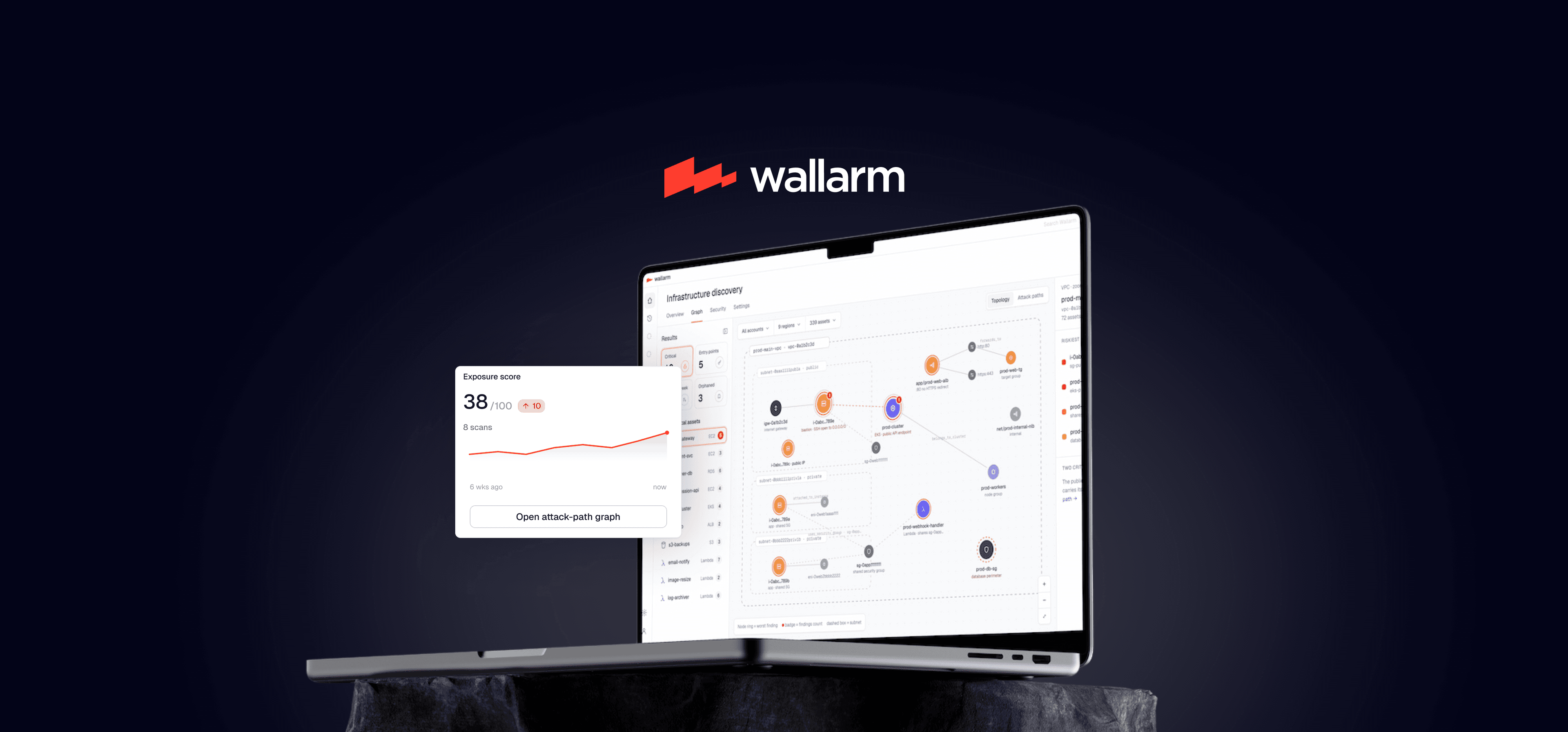
Wallarm
Prioritization sessions with the engineering team
WallarmPrioritization sessions with the engineering team
Ran prioritization sessions with the engineering team. Every idea on the board, grouped and ranked by impact against effort, down to a short list we could ship.
Design strategy
I reframe the problem before touching the screens: what the product should be, who it is for, and what to build first. Several of these projects changed direction because of that work, not just their UI.
Thomson Reuters
The full design cycle across 15 product teams
Thomson ReutersThe full design cycle across 15 product teams
Ran the full design cycle on about 20 projects in two years. Worked across 15 product teams, from requirements and interviews to accessible delivery.
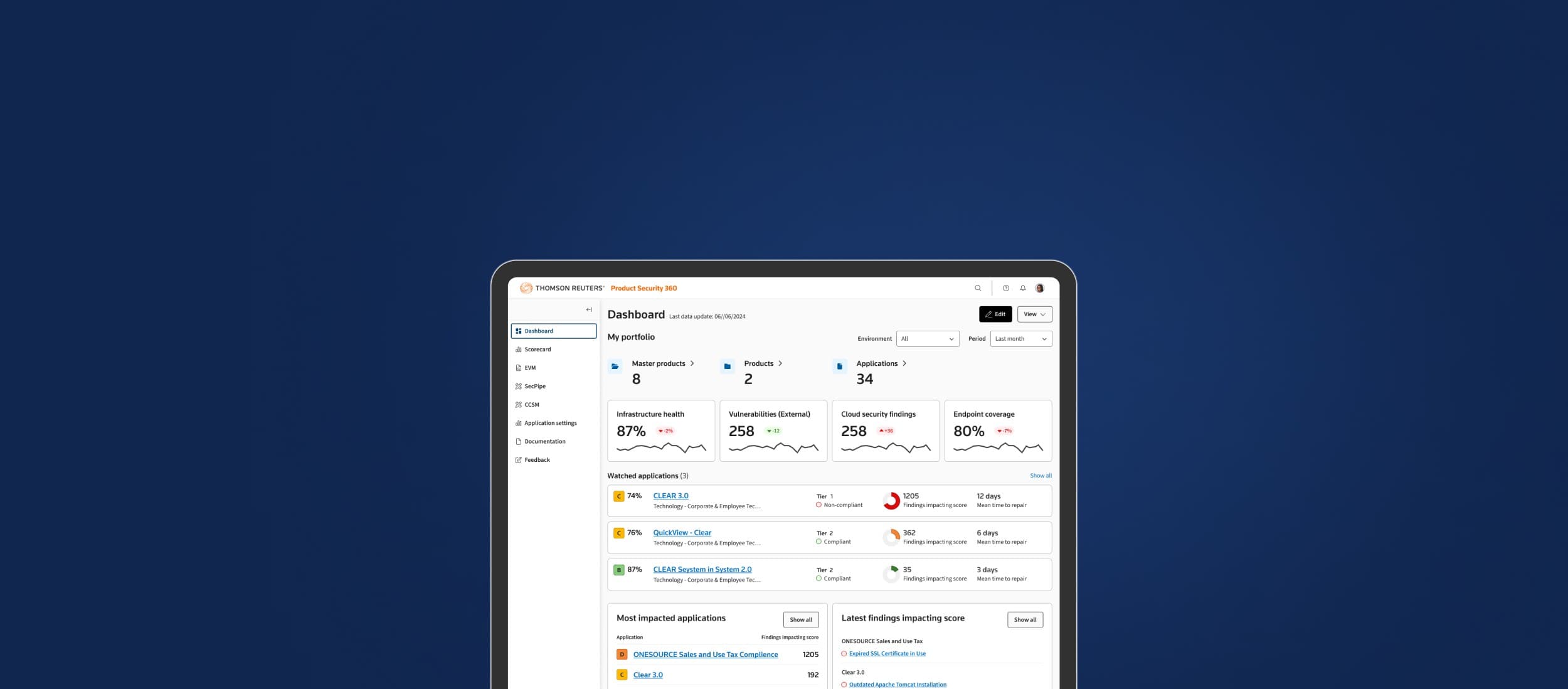
Thomson Reuters
Reorganizing a dashboard around each role's decisions
Thomson ReutersReorganizing a dashboard around each role's decisions
Reorganized PS360 around the decisions each role has to make. One dashboard that answers both executives tracking OKRs and engineers triaging vulnerabilities.
Thomson Reuters
Focusing the redesign on what users named as the cost
Thomson ReutersFocusing the redesign on what users named as the cost
Focused the redesign on the two things users named as the cost of the product: a homepage that hid what was urgent, and a report builder that took weeks to learn.
Schneider Electric
Changing how Schneider decided what to build
Schneider ElectricChanging how Schneider decided what to build
Moved the team from opinion-driven decisions to putting concepts in front of electricians first. The biggest change was not in the app, it was in how Schneider decided what to build.
Sensirion
Reframing an icon request into a legibility problem
SensirionReframing an icon request into a legibility problem
Reframed the request from 'design a VOC icon' into the real problem: how to make unfamiliar, relative sensor data legible across very different devices.
Prototyping and concepts
I would rather put concepts in front of people than argue about them. The prototypes are interactive and built on the real design system, so what someone reacts to in a session is close to what actually ships, and the direction that survives is the one testing picked.
Bausch + Lomb
Prototypes in both themes, tested and handed off
Bausch + LombPrototypes in both themes, tested and handed off
Built interactive prototypes in both themes on top of the design system, not as throwaway mockups. Took them into scripted remote sessions, then turned the validated concepts into a prototype covering the product's full functionality. Handed it over with documented component variants, interaction patterns, and final specifications.
Sensirion
Every VOC concept prototyped, the strongest tested
SensirionEvery VOC concept prototyped, the strongest tested
Iterated through every VOC visualization concept the brainstorms produced, then tested the strongest ones with users. The concepts had to carry both relative and absolute values on screens as simple as an LED strip. The one that landed was 'Air is Good'.
Schneider Electric
A second research round built to test concepts
Schneider ElectricA second research round built to test concepts
Built the second research round to test concepts rather than explore, with prototypes in several languages. Putting concepts in front of electricians before deciding what to build is the part that outlasted the redesign.
Thomson Reuters
Concepts and prototypes in every 4 to 10 week cycle
Thomson ReutersConcepts and prototypes in every 4 to 10 week cycle
Concepts and prototypes on every project, inside a cycle that ran 4 to 10 weeks. About 20 projects in two years went through that same loop, from requirements to accessible handoff.
British Telecom
Testing several concepts before development
British TelecomTesting several concepts before development
The two of us argued for a two-sprint buffer before development, room to test several concepts instead of shipping the first one. Wireframes and prototypes went through usability testing before UI delivery and guidelines.
Design leadership
Leading design is mostly about what the team can do when I am not the one doing the work: a direction people can actually follow, and a system they can build on instead of redrawing. Across a unit of eighty it turns into who joins and what they learn from each other.
EPAM SystemsCommunication lead in an 80+ people design studio
Owned communication and engagement for the Poland Design unit, 80+ designers, alongside my delivery work. Ran the quarterly all hands, the monthly Design talks, and a showcase initiative that kept people's work visible across the unit. As resource manager I set the resource team's goals, onboarded new designers, and ran talent acquisition interviews as a certified technical interviewer.
Keys Community
Leading two designers through a 12 month build
Keys CommunityLeading two designers through a 12 month build
Led a team of two designers through a 12 month build across mobile, desktop, and an admin CRM. Set the product direction that came out of the research and the stakeholder workshops. Built the design system the team worked from, which kept the surfaces consistent without me reviewing every screen.
Thomson Reuters
Lead designer across 20 projects and 15 teams
Thomson ReutersLead designer across 20 projects and 15 teams
Lead designer across about 20 projects with 15 Thomson Reuters product teams. Set the design direction the second designer on the team worked from.